Direct Answer: Best Time to Visit Kedarnath 2027
The best time to visit Kedarnath Dham in 2027 falls into two prime seasons: (1) Pre-Monsoon (May 12 to June 25, 2027) offering pleasant daytime temperatures (10°C to 15°C) and clear skies, ideal for first-time pilgrims despite high crowd volumes; and (2) Post-Monsoon Autumn (September 15 to October 25, 2027) offering crystal-clear Himalayan mountain views, crisp dry air, lower crowd wait times (1 to 2 hours), and crisp daytime temperatures (5°C to 12°C), though night temperatures regularly dip to -2°C. The peak monsoon window (July to late August) should be avoided due to flash flood and landslide hazards in the Rudraprayag–Sonprayag gorge.
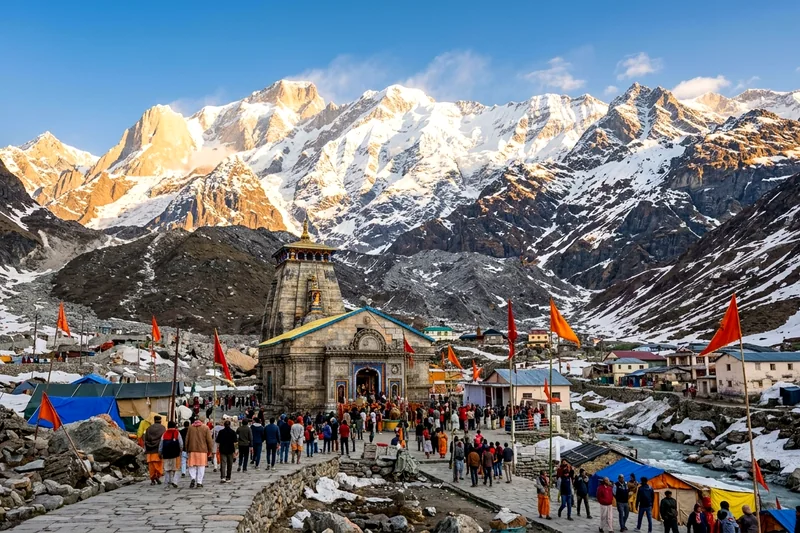
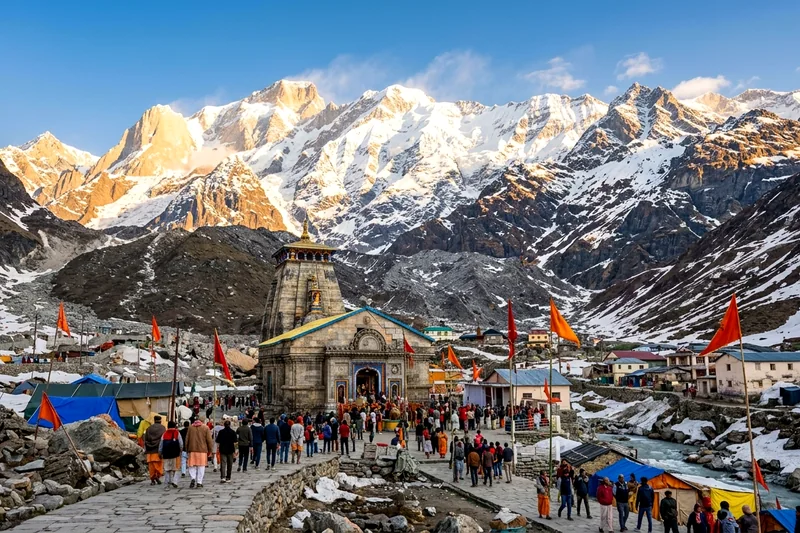
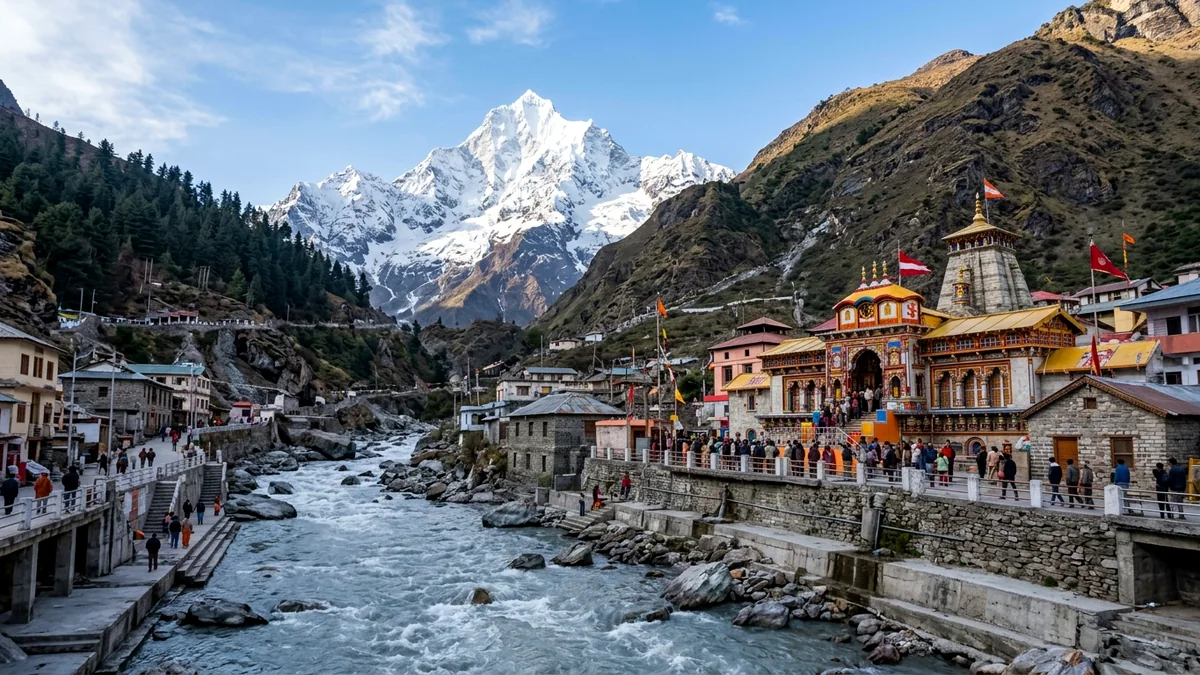
Perched at an imposing altitude of 3,584 meters (11,755 feet) in the lap of the glaciated Garhwal Himalayas, Kedarnath experiences an extreme alpine climate. The temple remains buried under deep snowdrifts for nearly six months of winter, opening its bronze doors only between May and early November.
Timing your pilgrimage correctly can mean the difference between standing in majestic spiritual awe beneath blue skies or being stranded for days behind rain-swept landslides. Prepared by Sachin Chauhan, Senior Pilgrimage Consultant & Mountain Operations Head at The North India Planner, this month-by-month meteorological guide details temperatures, precipitation, crowding, and ground realities for 2027.
1. Month-by-Month Weather & Temperature Matrix (2027 Season)
| Month | Day Temp (°C) | Night Temp (°C) | Rain / Snow Risk | Crowd & Queue Wait | Verdict & Recommendation |
|---|---|---|---|---|---|
| May (Post-Opening) | 8°C to 15°C | 1°C to 4°C | Low (Occasional light snow) | Heavy (4 to 6 hrs wait) | Excellent: High spiritual excitement, residual snow walls on trek. |
| June (Summer Peak) | 12°C to 18°C | 4°C to 8°C | Low until June 25th | Maximum Peak (5 to 7 hrs wait) | Very Good: Warmer weather, best for families with school children. |
| July (Monsoon Start) | 10°C to 14°C | 5°C to 8°C | Very High (Torrential rains) | Moderate (1 to 2 hrs wait) | Caution: Frequent road blockages near Sirobagarh and Sonprayag. |
| August (Heavy Monsoon) | 9°C to 13°C | 4°C to 7°C | Very High (Cloudburst risks) | Lowest (30 min wait) | Avoid: High landslide risk; helicopter flights grounded frequently. |
| September (Autumn Start) | 8°C to 14°C | 0°C to 4°C | Very Low post-Sep 15 | Moderate to High | Outstanding: Pristine washed landscapes, blooming valleys, clear skies. |
| October (Crisp Autumn) | 4°C to 10°C | -3°C to 1°C | Negligible rain (Light snowfall) | Manageable (1 to 2 hrs wait) | Top Choice for Devotees: Stunning snow-peak views, peaceful aarti. |
| November (Pre-Closure) | 0°C to 5°C | -8°C to -4°C | Moderate (Regular snowdrifts) | Special Bhai Dooj crowd | Sub-Zero Challenge: For resilient pilgrims witnessing ceremonial closing. |
2. Deep Dive: Pre-Monsoon (May to June) vs Post-Monsoon (September to October)
Most travelers find themselves torn between these two primary windows. Here is how they compare:
Why Choose May – June?
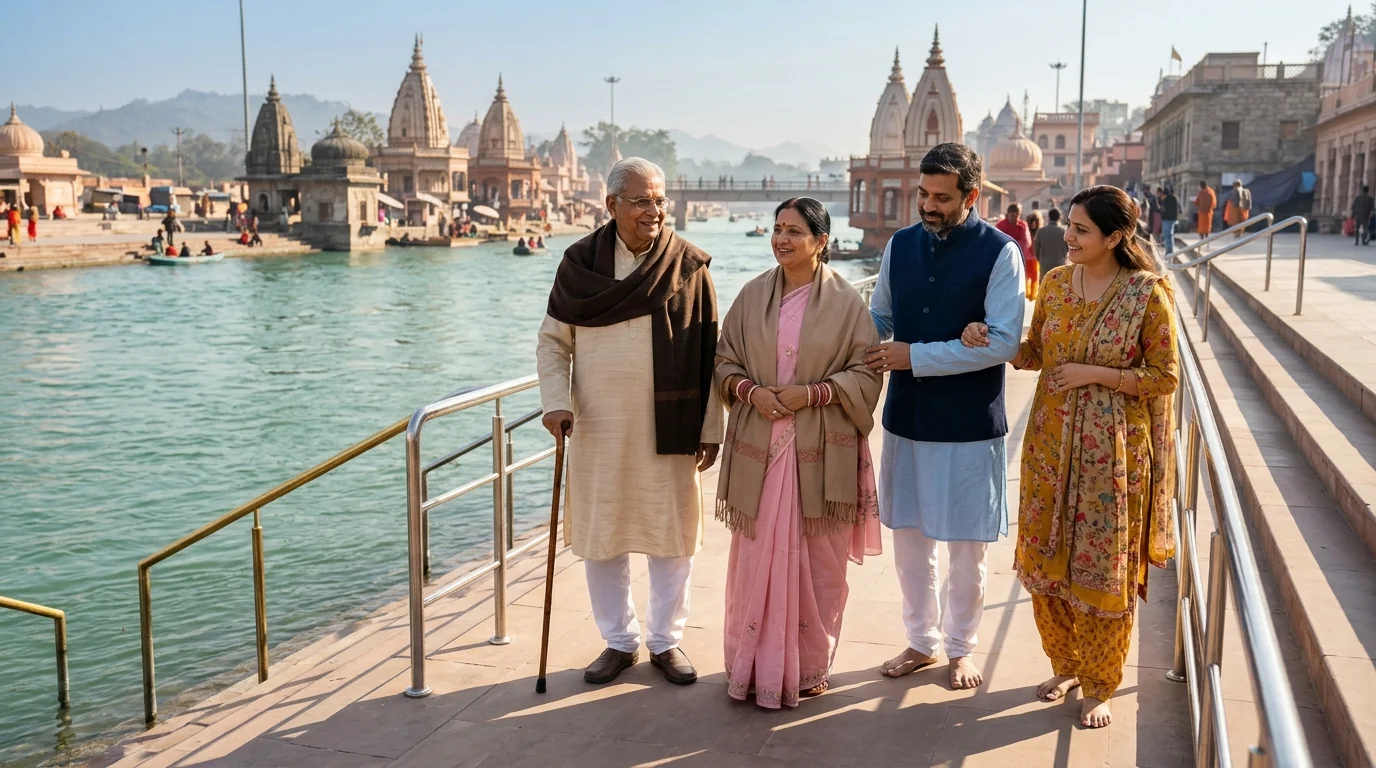
- Warmer daytime temperatures (up to 18°C) make the 16 km climb physically easier on elderly joints.
- All shops, dhabas, medical relief camps, and pony services operate at 100% capacity.
- Enthusiastic festive atmosphere with hundreds of thousands of passionate devotees.
Why Choose September – October? (Sachin Chauhan's Personal Favorite)
- The monsoon washes away all atmospheric dust, yielding breathtaking, crystal-clear panoramic views of Mount Kedarnath, Kedar Dome, and Kharchakund.
- Significantly shorter lines for darshan; you can sit quietly in the temple courtyard for hours during evening aarti.
- Helicopter flight cancellations are rare because cloud bases remain high above valley passes.
3. Monsoon Travel Warnings & Landslide Management
Between July 1st and August 31st, southwest monsoon currents collide with the Himalayan ridge, triggering intense downpours. Sachin Chauhan warns:
"If you must travel during July or August due to annual leave constraints, build at least two buffer days into your tour package. Never force a night drive through active landslide shooting-stone zones like Sirobagarh on the Rishikesh–Badrinath highway. Always trust your local hill chauffeur when he advises halting at a safe town until the Border Roads Organisation (BRO) clears the debris."
Plan Your Kedarnath Pilgrimage with Experienced Mountain Leads
Get personalized seasonal advice, vetted hotels, and verified road routes customized for your family's preferred travel dates.
View 2027 Fixed Departures Calendar